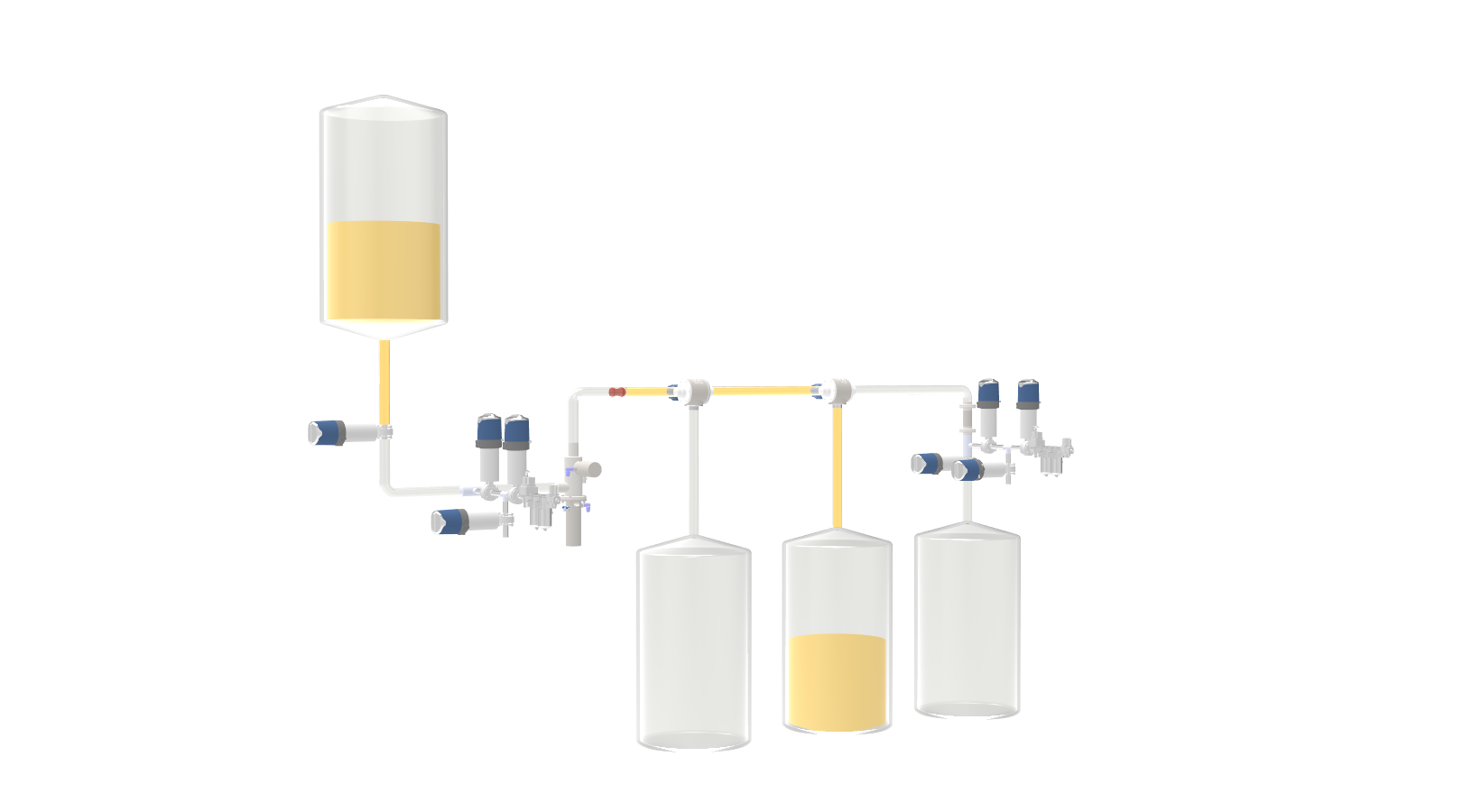
Boosting stream performance necessitates meticulous optimization of Pig pace.
Definite System Pig Pace Regulation: An Useful Manual
Ensuring optimal pig tempo is required for capable pipeline processing. Directing pig travel precisely requires a all-inclusive familiarity of different factors, comprising pipeline configuration, pig design, and compound attributes. This manual discusses practical practices for modifying pig rate, covering themes like deployment pressure, exit pressure, and the impact of backpressure. pig speed in pipeline At last, uniform pig speed regulation leads to boosted system health and reduced active charges.Factors Modifying Pigging Arrangement Momentum
Countless critical features shape the rate at which a pig navigates through a pipe. Load, both the forward and ending, is a considerable force; a higher pressure differential frequently causes a faster pigging cadence. The internal size of the duct also plays a position, with larger diameters opening for amplified pig timings. Furthermore, the equipment's design, including its span and aspect, straightforwardly changes its movement. Finally, the level of dirt and the condition of the pipe barrier can generate obstruction, delaying pigging rate.
Supporting Consistent Pig Rate in Lines
Validating constant pig rate within flow systems is important for enhanced output. Several considerations influence component velocity, including channel thickness, pressure, and material heaviness. Continuous assessment of substance timing and prompt modification of working configurations are required to mitigate clogs and conserve top performance.
Managing Pig Pace: Fundamental to Competent Pipeline Upkeep
Effectively regulating pig pace is essentially important for gaining a intensive pipeline upkeep. Too fast a rate can stress the infrastructure, while insufficient a operation may hinder eradicating all sediment. Therefore, detailed refinement of the cleaning device's navigating timing is vital to for line integrity and service result.
One Outcome of Pig Flow on Pipeline Pigging Workflows
One cadence of the equipment significantly changes the capability of pipeline treatment tasks. A decreased rate may enable for more complete debris removal, particularly in complex pipeline divisions, but can protract the overall undertaking span and perchance increase energy expenses. Conversely, a faster timing can advance the treatment sequence, minimizing stretch and disbursement, however, it threatens a partial cleaning and can possibly deteriorate the line. Therefore, calibrating device speed requires attentive inspection of pipeline attributes, product characteristics, and desired impacts.
Cleaning Configuration Flow: Leading Guidelines and Fixes
Boosting pigging structure pace is critical for increasing output and alleviating pauses. Usually, fitting servicing timing ranges spanning several dimensions per segment, although this can change depending on duct caliber, liquid classification, and pig construction. If encountering slow maintenance velocity, investigate factors such as high interference from buildup, impaired cleaning tool pieces, or blockages within the system. Regular maintenance, including instrument review and residue cleaning, is vital to keep predictable servicing flow and overall framework performance.
Comprehending Pipeline Pig Momentum and its Ramifications
An momentum at which a equipment traverses a pipe is a major factor impacting output and security. Accelerated pace can trigger excessive drag, potentially leading to increased energy consumption and even accelerated degradation of the instrument itself, as well as the tube. Conversely, a sluggish progression might bring about substandard clearing, extended downtime, and a decrease in overall output. Therefore, thoughtful calculation and unwavering monitoring of pig momentum are necessary for improving pipeline efficiency and reducing costly disruptions.
Next-generation Techniques for Pig Velocity Regulation
Enhancing hog momentum over intake presents a primary challenge for state-of-the-art producers. Employing sophisticated strategies like live tracking of separate pig's consumption and utilizing customized feeding systems systems can markedly diminish instances of overfeeding and raise overall collective efficiency. Furthermore, incorporating study of actions with habitat adjustments – such as modifying heat and lighting – provides key intelligence for perfecting farm animals rate guidelines and promoting a more uniform evolution interval.