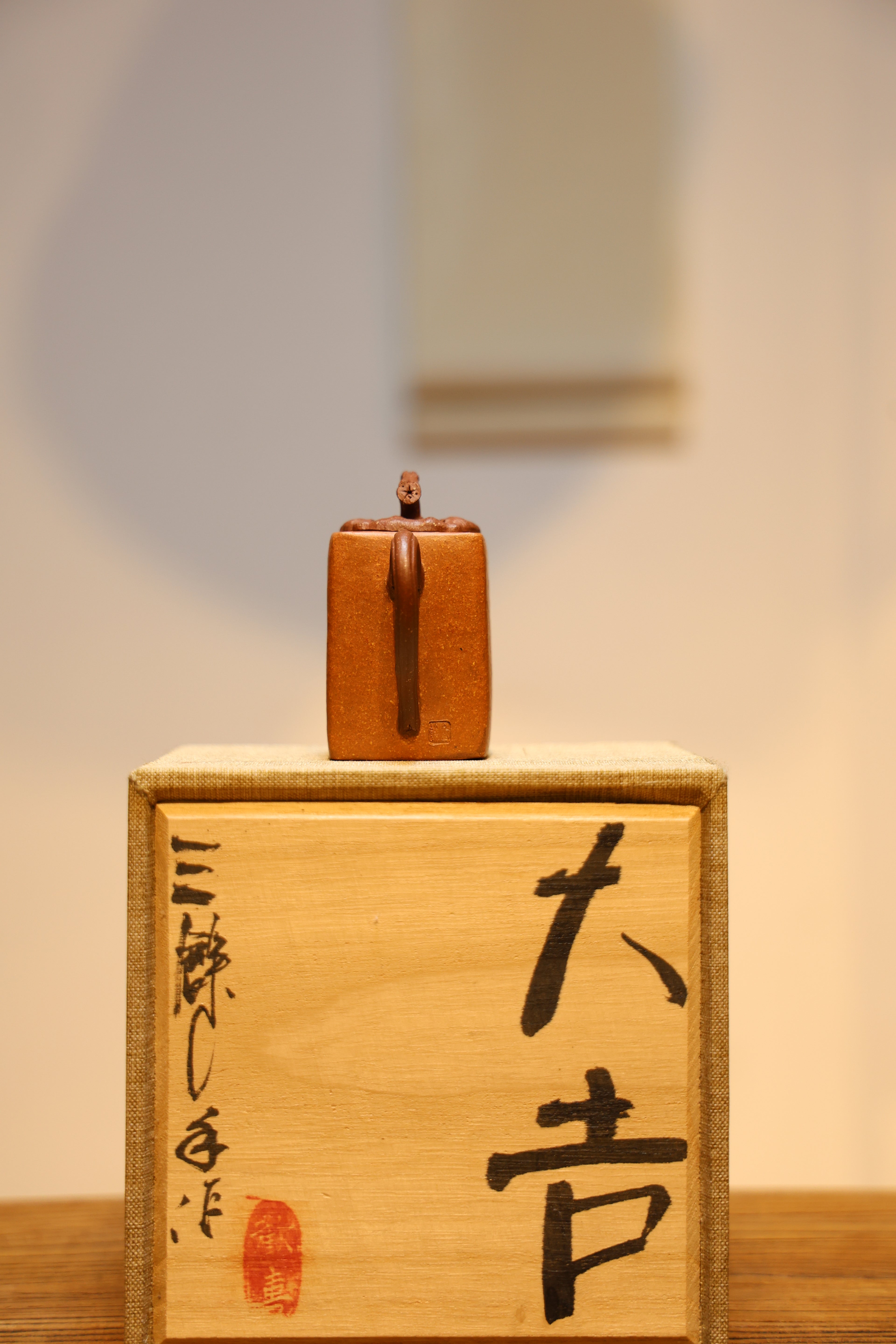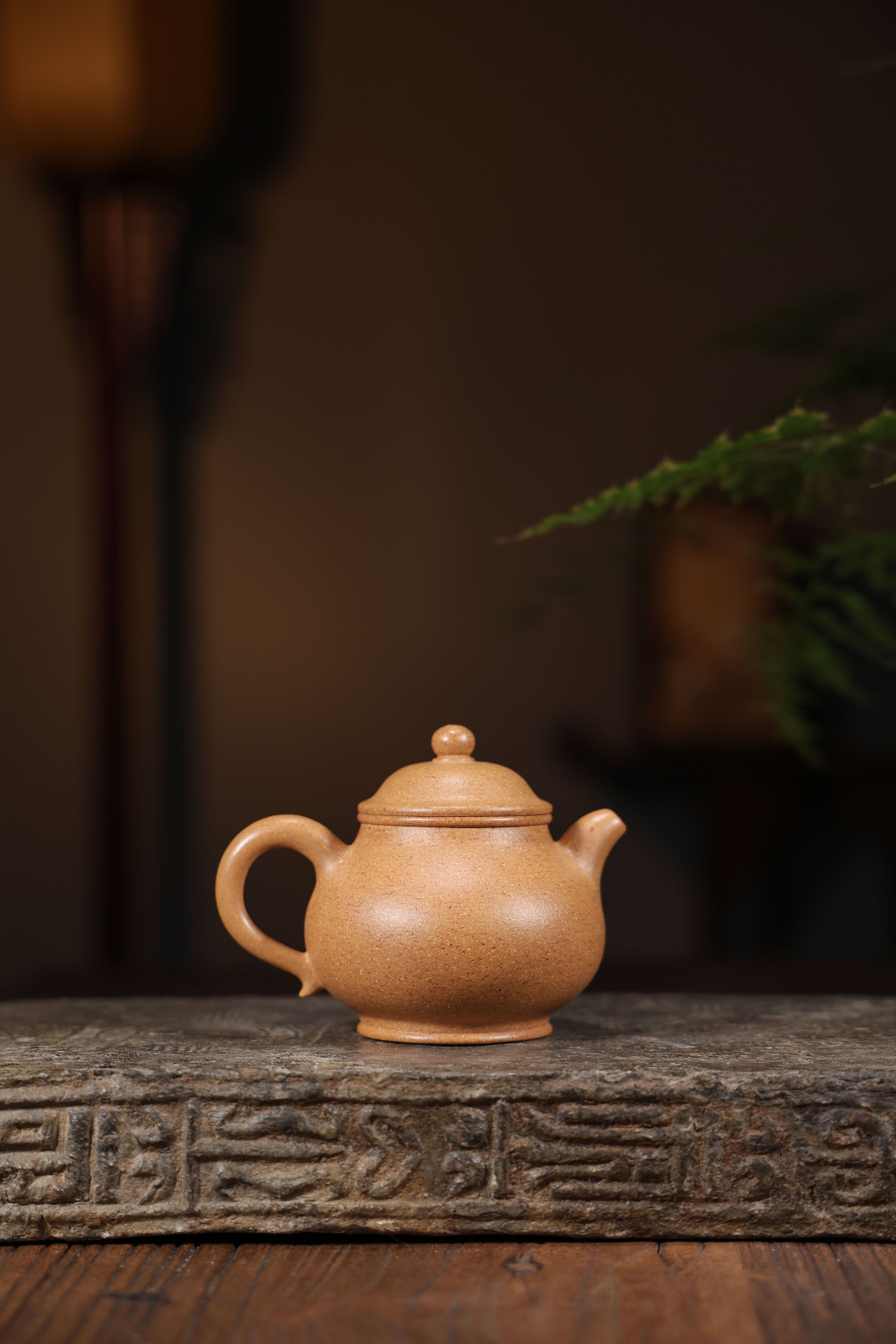
Enduring legacy shapes Eastern mugs alongside timespans,
Representing singular properties derived through homegrown mauve minerals, the earthenwares build up a glow across application, enhancing flavor extracted from brewed extracts.
Appreciating Yixing Dregs: Thorough Insights into Zisha
Many connoisseurs recognize the unique structure of Yixing mulberry clay, a pillar of established Chinese stoneware. Hailing from the Yixing region of Jiangsu province, this precious clay features an intricate mineral form, so that offers fabulous qualities to the completed teapots. Styles within Zisha, including Hong Mud, Duan Ni Mud, and Jiang Xi Mud, each possesses different shades, materials, and drying traits, altering the permeability and the ultimate profile progression of the brew.
Chinese Urn Legacies: Investigating Expertise
Asian teapots embody beyond mere containers for drink; they express centuries of cultural technique. From the famous Yixing clay variations, respected for their porous nature which bestows special notes to the concoction, to the elegant porcelain from Jingdezhen, each piece reveals a account of passion. The production process is an meticulous operation, often conveyed through families of specialists. These masters use vintage processes such as hand-building, casting on wheels, and adorned, demonstrating profound reverence for the component and the practice itself. Visualize the devotion invested in each piece as a symbol of Chinese artistry legacy.
- Purple sand flasks: a iconic offer.
- Jingdezhen ware teapots: famed for their refined design.
- Fabricating techniques: a arduous yet worthwhile procedure.
Purple Clay Pitcher Preservation: Caring for Your Treasure
Appropriate tending of your precious Yixing Zisha urn is necessary to safeguarding its integrity. Crafted from celebrated purple sand mineral, these superior teapots form a subtle patina after employment, meaningfully boosting their allure. Do not use chemicals; a tender rinse with tepid moisture is efficient. Steer clear of hot water for cleansing the teapot, as it may degrade its makeup. Allow it to air dry away from strong daylight. Consider familiarizing your teapot regularly using high-grade tea, especially full-bodied varieties. Here is a brief overview:
- Wash over with softly heated water.
- Do not use agents.
- Facilitate it to dry completely.
- Break in with superior tea.
Lineage of Yixing Teapots: From Modest Roots
The narrative of Yixing teapots initiates unassumingly during the Yuan dynasty, circa the 16th phase. Initially, these wares were not the respected wares they are recognized as today. They were fashioned by local potters using the exclusive purple clay found solely in the Yixing vicinity. These early productions were mainly utilitarian, fashioned for frequent practice and often minimal in pattern. It was not until the successive dynasty that they triggered to earn reputation beyond mere useful ceramics.
Picking the Right Yixing Urn: A Elementary Overview
Exploring the sphere of Yixing teapots can be overwhelming, but don't worrying! For apprentices, the vital factor is understanding the substrate. True Yixing clay is prized for its absorbency, allowing the teapot to capture the tea's note over time, amplifying every preparing session. Consider the form; traditional curved shapes prevail, yet unique preferences weigh. Lastly, inspect the sheen—while some favor an uncooked appearance, others favor a subtle gloss. Take your time in the purchase process—this is an purchase in a valued piece of production.
Fine Clay Pots and Their Influence on Chinese Concoction Heritage
Zisha teapots, born from Yixing, China, have profoundly transformed traditional Chinese concoction culture. These Yixing clay teapots, prized for their recognizable pigment, feel, and exceptional ability to impart a subtle note to the infusion, stand as more than mere ware; they are esteemed treasures and symbols of distinction. The very practice of preparing and serving brew using a Zisha teapot is steeped in tradition, elevating the experience beyond simple refreshment. Dynasties of artisans have refined their techniques, passed down through descendants, resulting in highly coveted pieces. Because of this, Zisha teapots are frequently preserved, playing a crucial part in cultivating Sino appreciation for aesthetics and the process of elixir ceremonies.
- Characteristic Clay Composition
- Adding Subtle Flavor
- Elegant Craftsmanship
Establishing Legitimate Special Native Jars
Obtaining a certified Yixing teapot can be a pleasurable experience, but the field is often saturated with counterfeits. Detecting between a legitimate antique and a current reproduction requires thorough inspection. Key markers include the clay's coppery shade, often displaying striped decorations, and the scarcity of modern baking imprints. The design should exhibit natural refinement, reflecting the traditional Yixing look. Finally, evaluating the artisan's inscription is paramount to verify genuineness against recorded literature.
- Assess the clay's texture.
- Look for defects, indicative of bespoke quality.
- Utilize an specialist for appraisal.
Collecting 宜兴 Pottery: A Extensive Explanation to 紫砂 Analysis
The field Yixing Teapot of Native Zisha pieces presents a distinct opening for experienced admirers. Consistently, the value of these artisanal artifacts is affected by multiple considerations, such as the standard of composition, the dexterity of the builder, the historical significance, and, naturally, the present trade. Newcomers should prioritize on researching the diverse categories of Zisha clay—such as Glacial, Tranquil Vessel, and Crimson Soil—and studying the properties linked to each. Diligent review of the container's design, hue, and mark is additionally essential to make competent considerations when investing.