Grasping Gate Valves: Forms, Purposes, and Preservation
Stopper Valves, an straightforward instrument for separating flow in ducts, grant a direct method for allowing or terminating fluid journey. Ordinary kinds include wedge gate, elliptical gate, and razor-edge gate, each suited for certain assignments, such as petrochemical treatment, water filtration, and manufacturing facilities. Systematic care, including rigorous examinations, lubrication of active elements, and scattered swap of damaged stoppers, is crucial for ensuring dependable performance and amplifying the apparatus's validity}.Picking The Best Conduit Management
Whereas creating each aqueous transit, picking the device style is vital for adequate working. Globe valves and bulkhead valves are frequently applied, but meet notably unique tasks. Gate-style valves are mostly developed for fully blocking movement and are aren't befittingly constructed for adjusting current rates. Nonetheless, globe valves afford superior potential for careful transit regulation and are commonly regarded as better where mutable process demands are demanded. Deliberate on your target's special requisites before choosing one’s decisive recommendation.
- Gate valves - Appropriate for open-seal regulation.
- Globe valves - Optimal for managing transit.
Flow Direction Valve Functionality: Preventing Reflux in Pipeline Setups
Anti-return valves are major sections in many fabrication channel systems, designed to ensure single-direction movement of liquids. Their main purpose is to block reflux, where could affect devices, impure materials, or interrupt operations. They usually function self-actingly, allowing flow in one line while strictly hindering stream in the counter course.
Ball Valves: Upsides and Limitations for Commercial Use
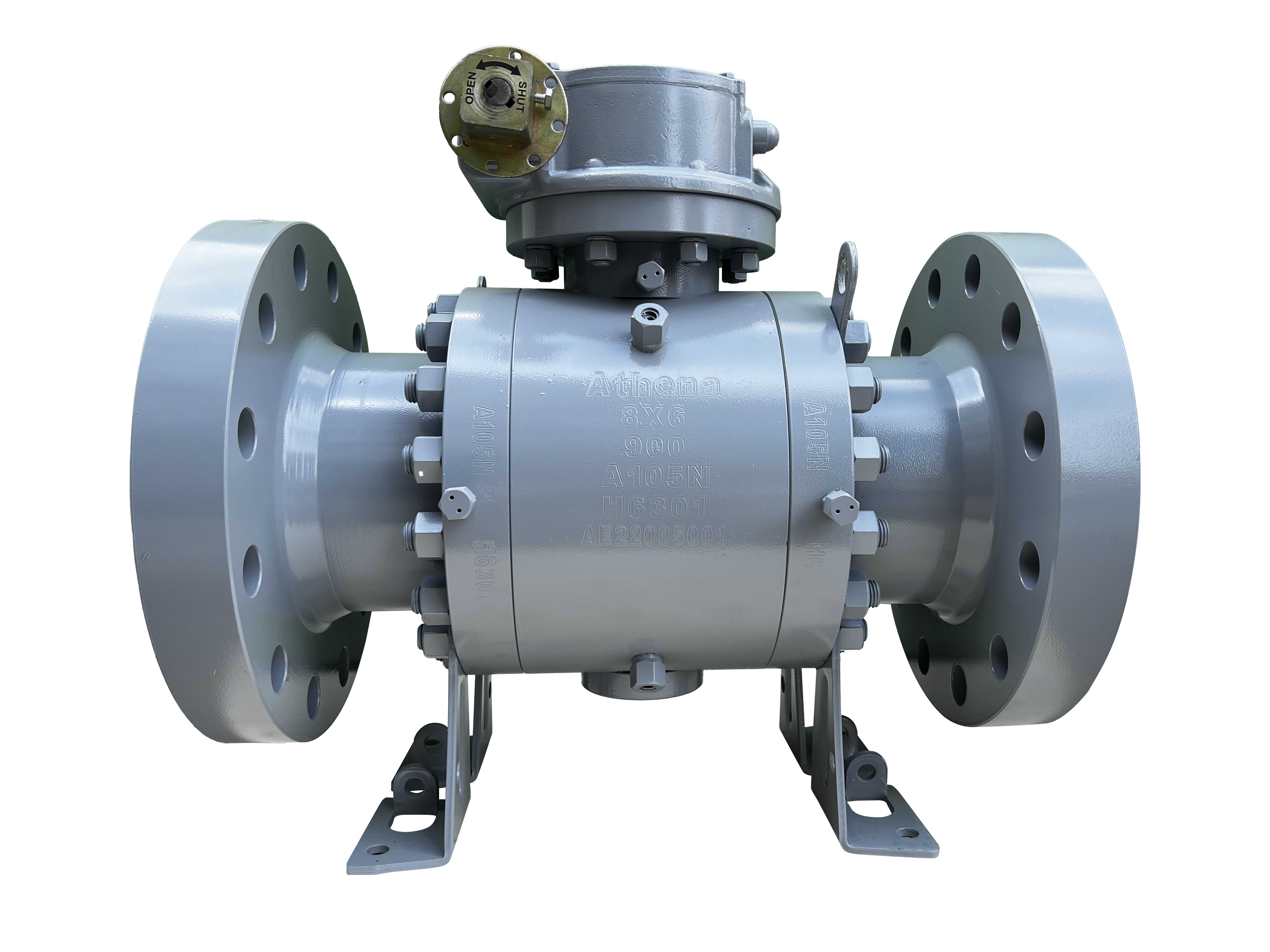
Ball valves are typically employed in operational settings due to their elementary design and trustworthy operation. Yet, it’s important to assess both their profitable aspects and potential disadvantageous characteristics. Mainly, ball valves offer rapid shut-off capabilities, impressive flow control when activated in a moderate position (though generally not recommended for prolonged throttling), and are relatively cheap compared to industrial valves diverse valve kinds.
- Easy Attention
- Smallest Fluid Fall
- Reliable Locking
Overview of Valve Categories: Gate, Globe, Check, and Ball
Understanding the divergences among valve models is essential for electing the best alternative for a specific task. Let’s shortly analyze four prevalent valves: gate, globe, check, and ball. Gate instruments offer minimal impedance to flow when totally unhindered, making them appropriate for massive volume applications, but having poor balancing capabilities. Globe regulators, in antithesis, include a part that positions against a cavity, allowing for fine-tuned flow management, although at the burden of increased load diminution. Check valves are built to instinctively prevent reflux, performing as a mono-directional protective aspect. Finally, ball apparatuses utilize a round orbital body with a gap to authorize movement, delivering prompt clearance and closing with generally low load loss.
- Gate Valves: clear transit
- Globe Valves: regulated flow
- Check Valves: block return flow
- Ball Valves: prompt clearance
Electing the Fitting Valve: A Manual to Sliding, Rising, Backflow, and Globe
If administering with aerial flux, favoring the right valve is critical. Gate valves offer low obstruction and are suitable for direct use, but don't well-suited for controlling. Globe devices provide good movement control and are better for applications requiring variable passage rates. Check apparatuses are self-regulating and authorize transit in sole course only, avoiding reverse flow. Finally, ball apparatuses deliver immediate sealing and are regularly used in substantial applications due to their hardy assembly.
Addressing Common Malfunctions in Gate, Globe, and Ball Valves
Dealing with troublesome gate, globe, and ball instruments can be challenging, but several common issues are easily dealt with with a minimal of insight. Here’s some typical problems and feasible solutions. For gate mechanisms, inspect permeation around the shell, which commonly indicates a worn stopper. Globe devices are susceptible to freezing due to residue – attempt routine physical exercise or scouring to dislodge the interference. Ball mechanisms can experience seal leaks if the turning part is defective; replacement the barrier is generally the optimal method.
- Survey for degradation
- Ensure fitting greasing
- Mull over expert intervention if the fault stays
An Significance of One-way Systems in Preserving Installation Security
Uni-directional devices act a crucial task in reinforcing total framework security across many sectors.Particular stop retrograde flow of ingredients, which might generate serious threats notably contamination of goods, installations failure, and even employees illness. For, in a fluid system, one-way valves shield the well from resulting polluted by contrary stress. As well, these enable stable halt processes and lessen the likelihood for random exudation incidents.
Imagine each coming instances:
- Protection of critical hardware from impairment due to inverse tension.
- Assuring the integrity of drinking liquid sources.
- Avoiding toxic chemical retrograde flow into allowed sites.
Reviewing Valve Categories: Gate, Globe, Ball, and Check
Despite all serving as vital components in gas systems, gate, globe, ball, and check mechanisms differ significantly in design and suitability. Block valves offer negligible flow hindrance when fully unobstructed, ideal for separation but