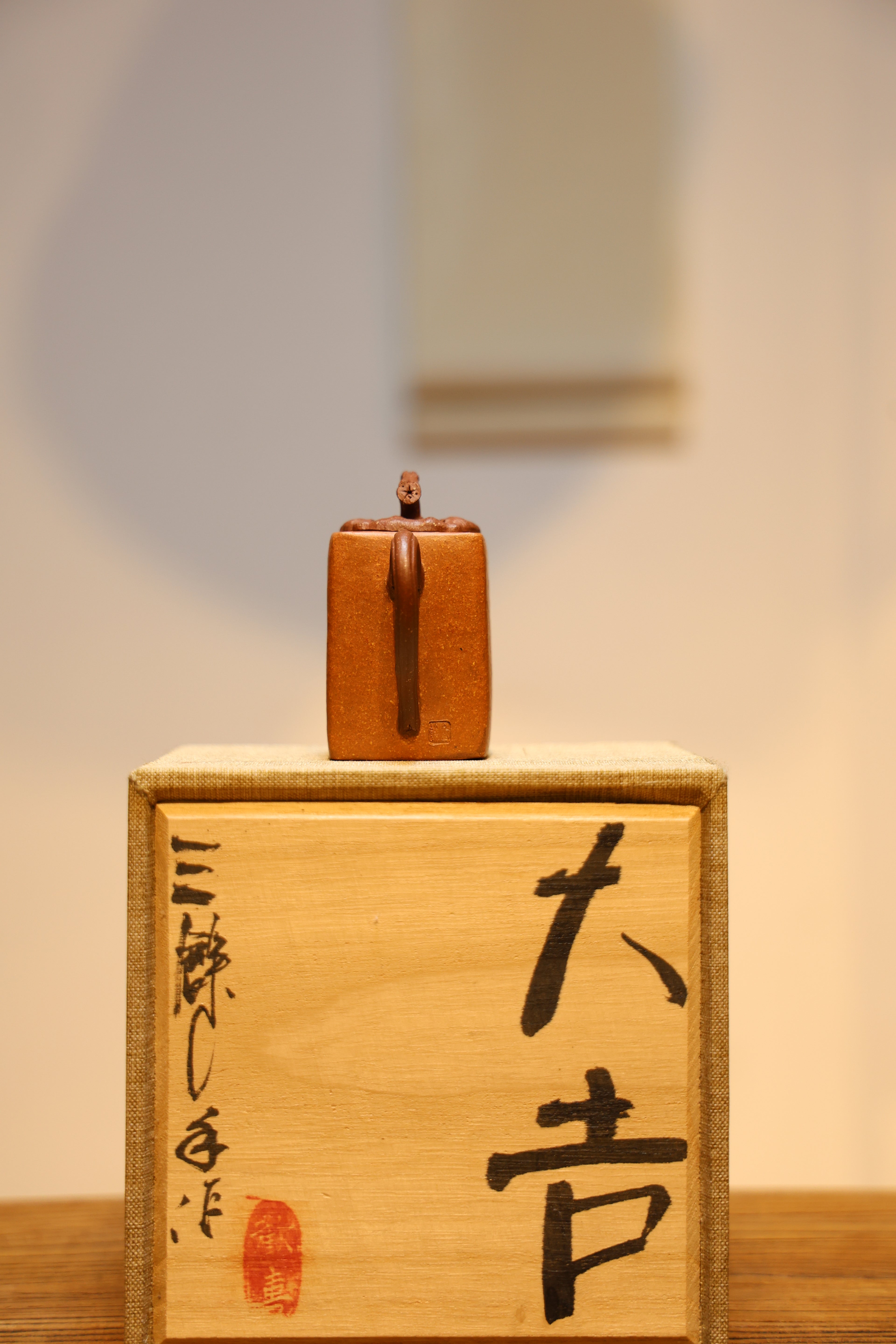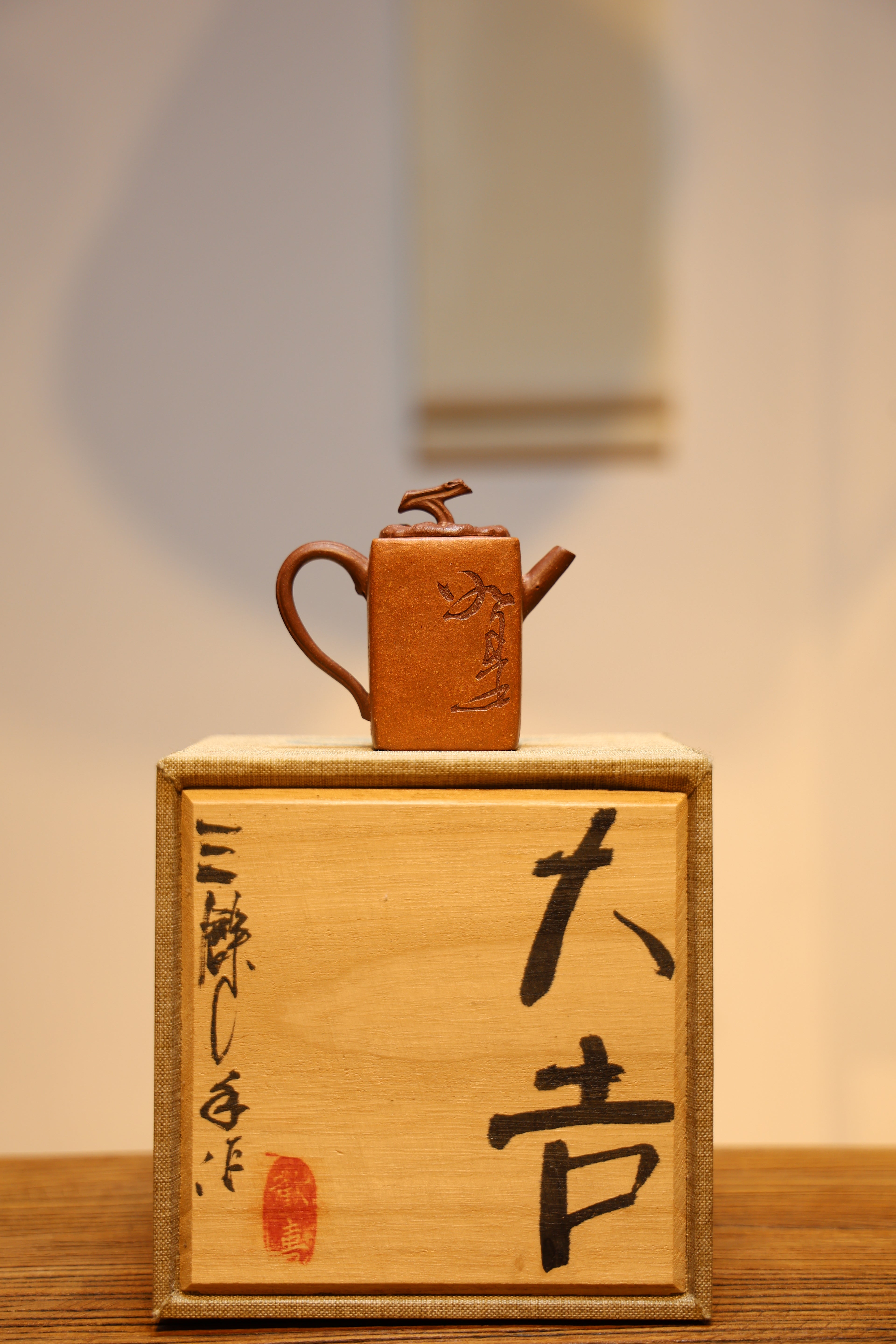
Opening this in-depth examination pertaining to 宜兴 Zi Sha ceramic kettles introduces special enchanting union featuring know-how alongside practicality.
Ihsing Zi Sha ceramic vessels boast one exceptional attraction within enthusiasts internationally. The fascinating porcelain containers, coming from the unique Ihsing area in Jiangsu zone, China, constitute more than just tea utensils; they stand as works art beauty and cultural significance. The finely classified clay, known designated as Zisha, imparts a mild flavor over the tea, and the intricate designs, often revealing traditional Chinese themes, boost their intrinsic value. Acquiring a genuine Yixing Zisha teapot offers a satisfying journey, necessitating careful study and an awareness of the multiple factors influencing their singularity.
Learning about Yixing Vessels
Yixing pottery vessels boast a deep history deeply interwoven with Chinese civilization. Originating in Yixing, Jiangsu territory, these pots are crafted from a unique, porous purple dirt found only in that designated location. Their growth began during the Ming epoch, with master artisans refining the Yixing Teapot systems over decades. Numerous types occur, including the classic Hexiang (resembling crab shells), Zhuni (red-brown hue), and Duan Ni (stone-studded) – each with distinctive characteristics. The merit of an Yixing vessel isn't solely based on its size or accessories, but also on the creator’s reputation, the earth's quality, and the container’s age and condition. Buyers often seek out older examples, believing they imbibe the nuance of the elixir brewed within them over time, further adding to their desirability.- Heritage Vessels
- Mahogany Vessels
- Stony Vessels
Zisha Teapot Mastery: Expertise & Processes
Unique crafting of Zisha teapots represents a summit of Chinese ceramic art. Expert artisans employ classic techniques, often passed down through families, to unlock the full essence of this unique clay. Strategies involve meticulous crafting by hand, often combined with the layering method, followed by precise drying at incredibly elevated temperatures in wood-fired kilns. Beautifying is equally crucial; artists utilize intrinsic clay colors and may incorporate incising work to depict intricate scenes or patterns, demonstrating a profound understanding of the material’s characteristics and presence. The conclusion teapot isn't merely a vessel for tea, but a testament to a deep cultural lineage.
Traditional Teapots: One Synopsis to Yihsing 紫砂
Investigating the world of Eastern teapots commonly begins with Yixing Zisha. These special clay containers are constructed from a dedicated type of clay found only in the Yixing region of the Jiangsu province. Acclaimed for its exclusive reddish-purple hue and high-quality qualities, Zisha clay provides a gentle flavor to the beverage and ripens with age, shaping into a cherished valued item. Collecting Yixing Zisha vessels is more than just having a stunning object; it’s a appreciation of culture and technique.
Examining unique Pottery: Authentic Quality & Progression
Delving into the world of Yixing Zisha pottery can be both rewarding, but requires a keen eye. Authenticity is paramount; many reproductions manifest, habitually artfully assembled. Becoming knowledgeable about old-fashioned cooking procedures, exclusive soil features, and the signatures of reputable potters is completely vital. Moreover, recognizing the finer distinctions of the progression course – influenced by causes such as artistic significance and the status of the product – is crucial to profitable investing.
- Scrutinizing heating origins.
- Consulting authorities for endorsement.
- Assessing dealings patterns.
One Art of Concocting with a Clay Kettle
Unique singular allure of a Zisha brewing system lies not just in its attractive appearance, but also in its important impact on the taste of the libation. These historic clay pots, sourced from distinctive regions of China, possess a inherent porosity that lightly interacts with the fluid and leaves, imbuing the drink with a soft character. Mastering the process requires a diligent approach, understanding how the ceramic responds to multiplex thermal states and leaf types, ultimately leading to a indeed rewarding tea-drinking encounter.
Maintaining Personal Jewel
Proper preservation of your Yixing vessel is crucial to extending its endurance. These special teapots, crafted from uncommon Yixing clay, accrue a texture over time that boosts their esteem. Consistently rinse the inside part with warm water, avoiding harsh substances, and never use harsh scrubbing tools. Infrequent gentle wiping with a fine cloth can promote in eliminating blemishes. Allow your carafe to thoroughly dry following each use
Revealing Earthenware: What Those Earthenware Illustrate Special
The well-known appeal of Yixing teapots is sourced in the unique properties of Earthenware clay, obtained solely near Yixing, the city of Yixing. This extraordinary clay, known as ferruginous mineral , exhibits a distinctive combination of particles that, across the years, absorb the aroma of the liquids it contains. This produces a remarkable taste experience for each vessel, providing it a price far surpassing its initial price and leading to their respected status among aficionados.
Selecting the Best Ancient Carafe: A Pottery Guide
Venturing into the world of Zisha clay teapots can feel overwhelming, but understanding the fundamentals is important to finding a beloved piece. Those clay, sourced chiefly from the environs of Yixing, the Jiangsu zone, is renowned for its unique quality and ability to adapt the savor of the liquor over stretch. Appraise the silhouette, the brightness, and the artistry; a legitimate Zisha teapot is more than just a urn; it's a decorative object and a signifier of eastern culture. Inspect the signature of the potter for clues to its origin and potential standing.